
How to Build a Monthly Spending Plan for Better Money Management
Monthly spending plan tips: Learn how to build, track, and adjust your budget for smarter financial choices and consistent savings. Read now!
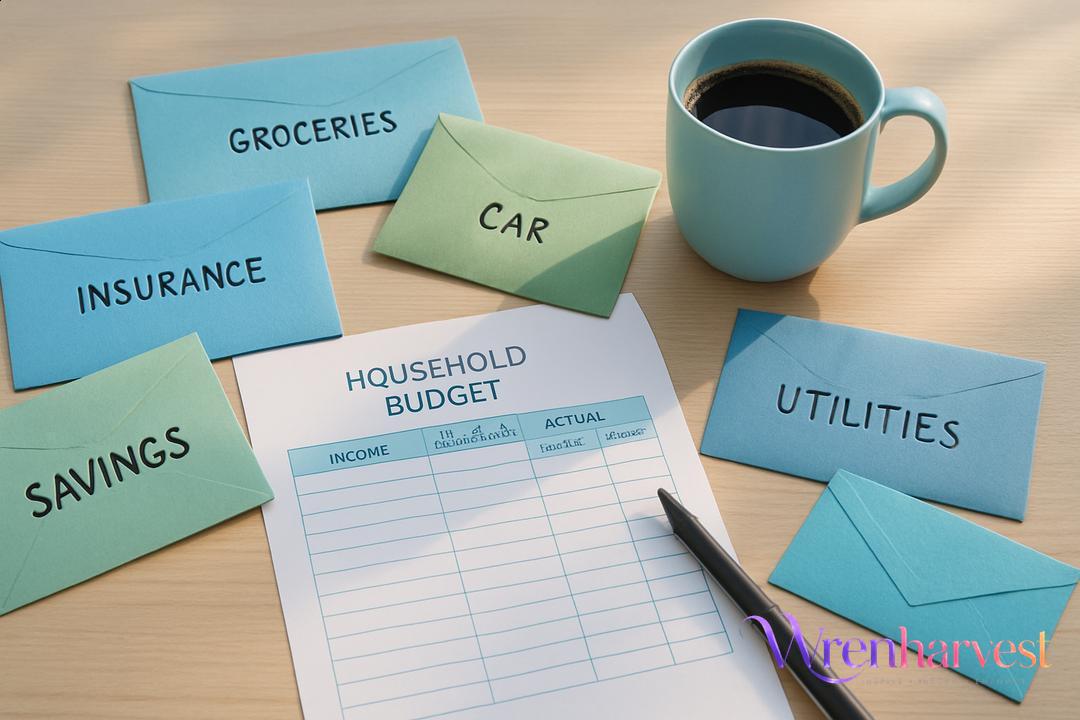
Ever felt like your money disappears by the end of the month, and you’re not sure where it went? You’re not alone. Building a solid monthly spending plan can feel tricky, but it’s the cornerstone of better money management.
For most people, the lack of a clear monthly spending plan is one of the biggest stumbling blocks to reaching savings goals or handling unexpected expenses. According to personal finance experts, consistent budgeting helps people avoid the “paycheck-to-paycheck” cycle and unlock long-term stability. With more people facing fluctuating incomes, knowing exactly where your money goes is more important than ever.
But here’s the thing: Most budgeting advice is either too broad (“just spend less”) or quickly forgotten after a few weeks. Quick-fix templates and free apps often skip the deep work, figuring out real spending priorities, tracking habits, and adjusting on the fly. As a result, many give up or see little change in their bank balance.
This article will walk you through the monthly spending plan process step by step: from decoding your true income and expenses, to setting goals, prioritizing smarter, and actually making your budget stick. Expect real-world tips, honest guidance, and actionable tools that you can start using today.
Understanding your income and expenses
Knowing your income and expenses is the first step to taking charge of your money. It sounds basic, but this is where most people go wrong. If you get this right, you’re already ahead.
Identifying all sources of monthly income
Total monthly income is everything you bring in, not just your paycheck. This includes wages, tips, side gigs, government benefits, investment returns, and support from family or financial aid.
If you get money in lump sums, like a $1,200 grant for three months, divide it up (that’s $400 each month) so you know what you can spend. For non-monthly pay, add up the year’s income and divide by 12. It helps to focus your spending plan on consistent money, using irregular bonuses or gifts for extras when possible.
List every source and be realistic. Many people forget about small incomes, but they add up fast.
Listing and categorizing monthly expenses
Track every expense, yes, every coffee, bill, or ride. Break them into fixed needs (like rent or car payment), variable needs (such as groceries and gas), and wants (streaming, dining out).
A good move: look at bank or app statements from the past 2-3 months. Find out your real averages in each category. Write them down or use an app, and compare your planned vs. actual spending at the end of the month.
Spotting those little charges helps you catch where money is leaking and what you could cut if needed.
Recognizing fixed versus variable expenses
Fixed expenses stay the same each month, think rent, insurance, or subscriptions. Variable expenses change, like eating out, groceries, or utility bills.
Start by covering all fixed and variable needs first. Then, whatever’s left can go to wants or savings. Don’t forget about costs that pop up every few months. If your car insurance is $600 twice a year, budget $100/month for it so it doesn’t catch you off guard.
Once you’ve mapped out these costs, aim to build an emergency fund, experts say 3 to 6 months of your true expenses is a smart goal. Even starting small can make a big difference if something unexpected happens.
Setting financial goals for the month
Having clear financial goals each month turns wishful thinking into real progress. When you know what you’re working toward, it’s easier to stick with a plan and see results.
Choosing short-term and long-term priorities
Start by ranking your priorities. Short-term priorities are things you want to handle in the next year, like paying off a credit card or saving $500 for emergencies. Long-term goals might include retirement savings or buying a house.
Experts suggest focusing on one top priority at a time, based on which has the biggest impact. For most, that means handling high-interest debt or building an emergency fund first before investing or planning a vacation. Write down both kinds of goals and put your main focus where it matters most this month.
Making saving and debt payments non-negotiable
Treat savings and debt payments like bills, non-negotiable. Set up automatic transfers for your savings and loan payments right after your paycheck arrives. This “pay yourself first” habit keeps your goals moving even if you’re busy.
Most banks let you set up automatic payments in a few clicks. This way, you’re not tempted to spend the money somewhere else. Experts say high interest on debt can slow your progress more than anything, so stick to scheduled payments and make extra payments when you can.
How to make goals realistic and measurable
Measurable goals work best. Be specific with dollar amounts and deadlines. Instead of “save more,” try “save $100 by the end of the month.” Use the SMART formula: specific, measurable, achievable, relevant, time-bound.
Break big goals into small, easy steps. For example, saving $30 each week adds up to $120 a month. If your first try doesn’t work, check your budget and adjust your goal so it’s possible. The main idea: make progress you can see and measure, not just hope for.
Categorizing and prioritizing expenses
Sorting your expenses into the right groups makes spending decisions much easier. When you know which costs matter most, you can control your money instead of letting bills surprise you.
Using the 50/30/20 rule
The 50/30/20 rule helps keep your spending balanced. First, figure out your monthly after-tax income. Then split it: 50% for needs (like rent and groceries), 30% for wants (meals out, hobbies), 20% for savings or debt.
If you take home $4,000 a month, that’s $2,000 for needs, $1,200 for wants, and $800 for saving or debt pay-down. Experts say this keeps your priorities clear. You can use an app or a simple list to keep track.
Distinguishing needs from wants
Needs vs. wants can be tricky, but the main difference is what you cannot live without. Needs include housing, utilities, and basic groceries. Wants are extras like streaming subscriptions, designer coffee, or vacations.
If there’s a low-cost version and a deluxe option, count the “minimum” as a need and any extra as a want. For example: having a phone is a need, but the newest smartphone upgrade is a want.
Planning for occasional and irregular expenses
Occasional expenses, like annual fees, car repairs, or holiday gifts, can ruin your plan if you don’t prepare. Review the last 6-12 months of your spending to spot these hidden costs.
If your car insurance is $1,200 per year, save $100 each month so you’re ready. This keeps big bills from wiping out your savings. Some people set up a separate savings account just for irregular expenses, so nothing slips through the cracks.
Tracking spending and making adjustments
Keeping tabs on your money helps you spot problems before they snowball. Regular check-ins mean you can fix issues fast and feel in control.
Daily and weekly tracking habits
Track spending daily or at least every week. This keeps surprises at bay and helps you see patterns in real time.
Use whatever works, apps, spreadsheets, or even a notebook. Many people check their bank or expense app each night or set a weekly reminder for a “money check-in.” The point is to compare what you spent this week with what you planned. Catching a $20 slip now is easier than fixing a $200 shortfall later.
How to spot budget leaks early
Weekly money check-ins help you find “budget leaks.” These are small expenses that pile up and punch a hole in your plan.
If you notice your coffee habit is costing $60/month when you planned for $30, you can fix it fast. Keep an eye out for subscriptions you forgot to cancel or price hikes in bills. Many apps will send alerts if you get close to your limit, which can save you before you overspend.
Adapting your plan for unexpected costs
Adjust your plan the moment things change. If you face an extra bill, say, a car repair or medical fee, move money from “wants” or less urgent categories to cover it.
Don’t be afraid to rework your plan mid-month. Real life is messy, and budgets should flex with what happens. Setting up notifications in your banking app makes it easier to act quickly when the unexpected hits.
Tips for sticking to your spending plan
It’s easy to make a budget, but sticking with it takes some smart moves. The more you build automatic routines and set up reminders, the less willpower you’ll need every day.
Automating savings and bill payments
Automatic savings and bill autopay mean your money is put where it belongs before you’re tempted to spend it. Set up your bank or employer to transfer a set amount, like $50 per week, straight into savings.
Most banks let you schedule bills so you never miss a due date or get hit with late fees. Experts say most people save more and stress less with automation doing the work.
Using physical and digital spending controls
Spending limits and the envelope method help you control day-to-day choices. You can set app alerts, use prepaid cards, or try the old-school way with cash in envelopes for categories like groceries or fun.
If your “dining out” envelope is empty, you’re done spending for the week. Many apps let you freeze cards, create virtual “envelopes,” and warn you if you hit your max.
Accountability tactics for long-term discipline
Accountability partners and visual progress tools are proven ways to stick to a plan. Share your goals with a friend, spouse, or join an online group.
Research suggests tracking your progress with a chart, calendar, or app can double your chances of sticking with your plan. Celebrate small wins, and if you slip, get right back to your routine with help from your support system.
What a successful monthly spending plan looks like in practice
A successful monthly spending plan covers your needs, tracks savings, and adapts as life changes. You always know where your money is going. Your budget is clear, visible, and checked often, not just made once and forgotten.
For example, if you bring home $4,000 a month, you might use the 50/30/20 rule: $2,000 for needs, $1,200 for wants, $800 for savings or debt. Each dollar has a job, so when an unexpected bill pops up, you shift money from a “wants” category instead of breaking your plan.
Experts say the real proof of success is consistency and flexibility. Most people who stick to their plan do regular check-ins, some weekly, some monthly. They also track progress with a chart or app, adjusting quickly if expenses or income change.
Building up even a small emergency fund makes it easier to handle surprises. If you need to use that fund, the plan shifts for the next month to rebuild it. The bottom line: success means your spending plan actually works for you, not the other way around.
Key Takeaways
This article offers practical steps and proven tips for building and maintaining a successful monthly spending plan.
- Know your true income and expenses: List all income sources and every expense to create an accurate budget baseline.
- Use the 50/30/20 rule: Allocate 50% of your income to needs, 30% to wants, and 20% to savings or debt payments for balance and clarity.
- Set specific and measurable goals: Define monthly targets with dollar amounts and deadlines using the SMART framework for better results.
- Automate savings and bill payments: Schedule automatic transfers to savings and bill autopay to reduce missed payments and boost discipline.
- Track and adjust regularly: Conduct daily or weekly money check-ins to catch budget leaks and adapt quickly to unexpected expenses.
- Separate needs from wants: Prioritize essentials and cut back on discretionary spending to free up funds for your financial goals.
- Plan for irregular costs: Break down annual or seasonal expenses into monthly amounts so surprises don’t derail your plan.
- Flexibility equals success: The most effective spending plans adjust as life changes, combining regular review with quick action when needed.
The big takeaway: Consistency, automation, and honest tracking turn your monthly spending plan into a powerful tool for financial stability and growth.