How to manage money effectively for better financial stability
How to manage money with confidence and clarity. Unpack practical budgeting basics, saving strategies, and financial planning tips anyone can use.

Ever feel like your money slips through your fingers, no matter how careful you try to be? Managing finances can feel like working out at a new gym – intimidating at first, with results that seem slow to appear. But just like good health, financial stability is built one small step at a time.
Concerns about handling money are common, especially with unpredictable living costs and ever-changing job markets. According to financial educators, learning how to manage money isn’t just about crunching numbers – it’s about building habits that last. From budgeting basics to setting up emergency savings, each piece plays a role in a more confident financial life.
The problem? Most advice online either glosses over the tough realities or promises miracle fixes. Quick budgeting apps and viral tips can help, but they rarely address the why behind your decisions or fit every life stage. Many people find themselves quitting after one failed budget or unexpected bill.
This article aims to do better. Here, you’ll learn proven strategies rooted in practical examples, research, and behavioral insights. We’ll give you step-by-step guidance to match your money habits with your real goals. Ready to take control? Let’s dive in and make money management something you actually feel good about.
Understanding your income and expenses
Understanding your income and expenses is the foundation of smart money management. This step helps you spot where your money goes and what changes might help you save more.
Identifying fixed vs. variable expenses
Fixed vs. variable expenses is a simple but powerful distinction. Fixed expenses, like rent or loan payments, stay the same every month. Variable expenses, like groceries or gas, can change a lot.
Experts recommend putting needs first before spending on “wants” like entertainment. One helpful guideline: spend about 50% of your income on needs, 30% on wants, and save or pay off debt with the remaining 20%.
For example, if you make $3,000 each month, you might budget $1,500 for rent and utilities. To get started, list out each bill and payment you have for a typical month. Group them as fixed or variable, this makes spotting patterns much easier.
Tracking your spending habits
Tracking your spending means writing down every dollar you use, no matter how small the purchase. This step builds awareness of where your money actually goes.
Experts suggest reviewing your spending for the last two to three months to get a clear picture. You can use apps, a basic spreadsheet, or even pen and paper. The trick is to check often, compare your plan to what you really spent at the end of each month.
For instance, noting every $4 coffee or $15 fast food meal shows how “small” purchases add up. Try recording every purchase for just a week to see your habits in action.
Recognizing irregular income sources
Irregular income sources include money from side gigs, seasonal work, or gifts. This money can show up unpredictably, so it takes extra planning.
The best approach: base your main budget on your steady income first. When you get a lump sum, like $1,200 from a tax refund, divide it by the number of months it needs to last. If you got $1,200 to stretch over three months, treat it as an extra $400 per month in your plan.
One practical tip: set up an automatic transfer to savings on payday, so even unpredictable income helps build your safety net. Many experts say this simple step can boost how much you actually keep.
Creating a realistic budget
Making a budget isn’t about punishment, it’s your plan for hitting money goals while still affording things you enjoy. A realistic budget is honest about what you really make and spend, and it’s flexible when life changes.
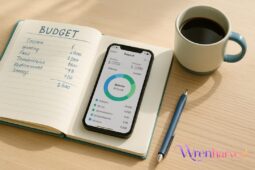
Choosing a budgeting method (50/30/20, envelopes, etc.)
The best method is the one you’ll stick to. Most beginners start with the 50/30/20 rule: 50% for needs, 30% for wants, and 20% for saving or debt. It’s easy and works for most people’s needs.
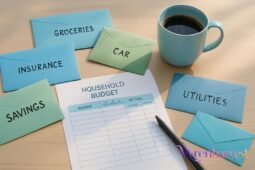
For tighter finances or more control, try zero-based budgeting. Here, every dollar gets a job, once spent on paper, there’s nothing left unassigned. The envelope method goes old school: you use cash sorted in labeled envelopes for each category. When the envelope’s empty, spending stops.
Pick the method that makes sense to you. If you want to spend less without tracking everything, 50/30/20 is a great place to begin. If you need strict discipline, try zero-based or envelopes for two months and see how it fits your style.
Avoiding common budgeting mistakes
Start with your net income, not gross pay. Only budget money that actually lands in your bank account, the amount after taxes and deductions.
Many people ignore costs that don’t come every single month, like car repairs or insurance. Don’t let these expenses surprise you. Review your last three bank statements and add up all irregular costs to find an average monthly amount.
Trying to overhaul your budget in one go often leads to stress. Experts suggest picking just one or two areas to cut first. And don’t guess, track your real spending for two weeks before setting limits.
Set a monthly check-in, just 30 minutes, to spot what didn’t work and tweak for next month. Regular reviews keep your plan realistic and useful.
Automating your budgeting process
Automate your savings and bill payments. Use simple budgeting apps or your bank’s online tools. Apps like YNAB, Mint, or Every Dollar can automatically track spending and follow your goals.
The “Pay Yourself First” approach works wonders. When your paycheck hits, send a set amount straight to savings before spending on anything else. If you use envelopes, set up a spreadsheet to figure out each category and let the rest run on autopilot.
The less you have to remember, the better you’ll stick to your budget. Automation turns good intentions into consistent actions.
Setting short-term and long-term financial goals
Everyone dreams about their future, but clear financial goals give those dreams a path to reality. Whether it’s buying a car next year or saving for retirement, goal-setting keeps you focused and motivated.
Defining SMART financial goals
SMART financial goals are specific, measurable, achievable, realistic, and time-bound. This means your goal should mention a clear amount and deadline, not just “save money.”
Here’s a practical example: rather than “I want to save,” try “I will save $3,000 for a trip to Japan by December 2026.” Experts recommend splitting goals into short-term (less than one year), medium-term, and long-term (over five years) to help prioritize them. The 50/30/20 rule is a simple way to map out your savings targets within your budget.
Balancing today’s needs with future plans
Balance your important needs with future goals. Prioritize the goals that protect you today, like building an emergency fund, while still saving for later.
For example, paying off a $5,000 credit card (short-term) while contributing $100 a month into a retirement account (long-term) covers both sides. As financial planner Liz Weston says, “You can’t save for tomorrow if you’re drowning today.” Take care of urgent needs first, then add to long-term plans as you’re able.
Adjusting goals as life changes
Be ready to review and adjust your goals as life changes. Major events, like a new job, marriage, or having a baby, mean it’s time for a quick goal check.
For instance, a couple expecting a child might switch from saving for a vacation to building a $10,000 baby fund. Make a habit of reviewing your goals every few months. This keeps them relevant and achievable, and helps your plans grow with you.
Building an emergency fund
An emergency fund is your money safety net. It helps you handle big, unexpected costs without using a credit card or loan.
How much should your emergency fund be?
Most experts say to save 3 to 6 months of expenses. If that sounds hard, start with a $1,000 starter fund. This is enough to cover car repairs or a sudden bill.
If your monthly costs are $2,000, aim for $6,000 to $12,000. If you have kids or your job isn’t steady, save closer to nine months of costs. Use a two-stage plan: first $1,000, then build up to 3–6 months as you pay off debt.
Tips for consistent saving
Automate transfers every payday so saving feels easy. As little as $20 per week adds up to over $1,000 in a year.
Try round-up apps that save spare change for you. Use tax refunds and any big gifts to boost your fund faster. Don’t forget to replenish the fund if you ever spend from it, so you stay protected.
Where to keep your emergency savings
A high-yield savings account (HYSA) is usually best. It grows faster than a checking account but stays easy to use in an emergency.
Don’t invest emergency money in stocks. Keep funds in a separate account, not mixed with everyday cash. This makes it easy to use when you need it, but less tempting to spend by accident.
Tracking progress and adjusting your plan
Staying on top of your money isn’t a one-time thing. Tracking your progress and making small changes as you go helps your plan work for real life.
Reviewing your budget regularly
Check on your progress every week or month. Use a spreadsheet or an app to compare what you planned with what you actually spent.
Set reminders to review your numbers, and look for spots where you overspent. Experts suggest defining small goals or milestones, like hitting a certain amount saved or reducing one area of spending. A quick review helps you fix problems before they snowball.
Celebrating milestones, correcting mistakes
Celebrate small wins along the way. Every time you hit a milestone, like having three months of emergency money or paying off a credit card, give yourself credit.
Try a simple five-point scale (1 means off track, 5 means you nailed it). If you miss the mark, don’t panic. Problem-solve: look at what happened, brainstorm ideas, pick one, and test it. For example, if dinner costs too much, swap one meal out for a cheaper option next month.
Adapting to unexpected expenses or income changes
Stay flexible when life throws a curveball. Plans will change if you get a bigger bill or lose some income.
If you face sudden expenses, like medical costs, pause extras and shift more towards needs. Document what triggered the change. Adjust your savings or goal plan until things settle down, being quick to react keeps your finances on track.
Putting it all together for lifelong financial health
Building lifelong financial health means making steady, simple choices over time, not chasing quick fixes. The core habits: spend wisely, save regularly, avoid or pay down debt, and plan ahead. These steps, when layered together, help you deal with surprises and reach bigger goals.
Researchers say you should aim to save at least 15% of pre-tax income for retirement, and keep an emergency fund worth 3–6 months of living costs. Start small if you need to: one example is beginning with just $500 and setting up automatic transfers of $100 a month. Over years, dollar-cost averaging and compounding can do the heavy lifting for you.
Your best bet for lifelong stability: use the 50/30/20 rule in your budget (50% for needs, 30% wants, 20% savings or debt). Keep an eye on your credit cards and pay down high-interest balances first. Experts also stress having enough insurance, aim for life coverage at five to ten times your annual pay, and take care with key planning steps like estate and health directives.
The bottom line: Don’t try to overhaul everything at once. Start by tracking your spending for a month, then move on to automating savings and insurance. Give yourself a regular checkup, once a month is great, so you adjust when your goals or life change. Lifelong financial health is a marathon, not a sprint. Every small step counts.
Key Takeaways
This article offers a step-by-step guide for managing your money effectively and building lifelong financial stability.
- Understand your cash flow: Track all income and divide expenses into fixed and variable categories to see where your money really goes.
- Choose a practical budget method: The 50/30/20 rule, zero-based budgeting, or envelope system can help you spend wisely and consistently save.
- Set SMART goals: Define specific, measurable, achievable, realistic, and time-bound targets for both short-term needs and long-term dreams.
- Build an emergency fund: Aim for 3–6 months of expenses, starting with $1,000, and use automatic savings to make progress steadily.
- Regularly review and adjust: Check your budget weekly or monthly, celebrate small milestones, and update your plan when circumstances change.
- Automate good habits: Use apps and scheduled transfers to make saving and bill payments effortless, turning intentions into daily routines.
- Prioritize debt reduction: Focus on paying down high-interest debt to protect your financial health.
- Lifelong financial health is gradual: Small, consistent actions and regular reviews are more effective than dramatic one-time changes.
The main takeaway: financial confidence comes from understanding fundamentals, building habits, and making steady progress, not quick fixes.