Personal budget planner: Simple steps to manage your finances effectively
Personal budget planner made simple: Learn practical steps to track income, set goals, and choose a method that matches your lifestyle.
Ever feel like your money slips through your fingers no matter how hard you try? Imagine having a personal roadmap that tells your money exactly where to go, every month, without making you feel restricted.
This is where a personal budget planner changes the game. Many people struggle with money stress, and research shows sticking to a clear plan can ease anxiety about bills, savings, and future expenses. With so many budgeting tools and apps out there, finding a method that fits your life, and actually works, has never been more important.
But here’s the catch: most “quick fixes” focus on cutting out coffee or downloading a single app, missing the bigger picture. Without understanding your own habits and goals, those tips can feel empty or even lead to more frustration.
This article goes deeper: you’ll get practical steps, smart frameworks, and honest advice, without the guilt trips. We’ll break down income versus expenses, goal setting, choosing the right system, and real-life ways to stay on track. Whether you’re brand new to budgeting or tired of complicated advice, you’ll find a realistic plan you can actually follow.
Understanding your income and expenses
Building a healthy budget starts with knowing exactly how much comes in, and how much goes out. If you don’t get clear about your cash flow, it’s hard to avoid debt or meet savings goals.
Identifying all income sources
Total monthly income matters most. Make sure you list every source: wages, gig jobs, tips, bonuses, rental income, even gifts or government payments.
Sometimes people forget small things like side hustles or investment dividends. That means your real income might be more than you think it is.
An example: If you get a one-time payment, like a $1,200 financial aid check, split it up over several months ($400/month) instead of treating it like a windfall. This makes your budget more accurate all year.
Categorizing fixed vs variable expenses
Fixed and variable expenses need to be tracked separately. Fixed costs stay the same each month, like rent, mortgage, or car payments.
Variable costs change. These are things like groceries, transportation, or eating out. Wants, like entertainment, are in a separate group.
Experts often recommend the 50/30/20 rule: 50% to needs, 30% to wants, and 20% to savings or debt. Listing out every bill (and updating as things change) is key to staying on track.
Finding hidden spending leaks
Spending leaks hurt your budget fast. These are small, easy-to-miss costs like extra streaming subscriptions or daily coffee runs.
The best tip: Track every transaction for a month. Review your statement for patterns. You may spot hundreds a year going to takeout or unused memberships.
If money is tight, shifting these “leaks” to savings or debt payoff is a simple way to do more with what you already earn.
Setting realistic financial goals
Setting realistic financial goals gives you direction. They help you measure your progress and avoid feeling stuck or overwhelmed.
Short-term vs long-term goals
Short-term milestones build momentum. These are goals you want to reach within a year, like saving $500 for holiday gifts or paying off a credit card.
Long-term goals could be five years out or more, like buying a home, finishing college, or building retirement savings. Experts say to use both: short-term wins keep you motivated for the bigger stuff ahead.
Prioritizing debt, savings, and essentials
Paying off debt first and building an emergency fund is key. Research suggests putting 80–90% of any extra money toward these priorities before focusing on long-term investing.
For most people, the right order is 1) cover essentials, 2) tackle high-interest debt, 3) save for emergencies. Even starting small, like $20 a week, makes a big difference over time.
Making goals specific and measurable
SMART goals make results real. That means choosing goals that are Specific, Measurable, Attainable, Relevant, and Time-bound.
An example: Instead of saying “save more,” set a target like “save $500 in 3 months.” Experts advise tracking your progress monthly and adjusting when needed. This keeps you moving forward, not just busy.
Choosing the right budgeting method
There’s no single “best” system for everyone. Picking the right budgeting method depends on your habits and goals.
Overview of popular methods (50/30/20, zero-based, envelope)
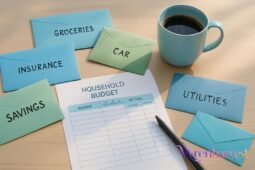
Three methods stand out. The 50/30/20 rule is simple: half your money for needs, 30% for wants, 20% for saving or debt. Zero-based budgeting gives every dollar a job until none is left, great for those who want strict control. The envelope method sets a cash cap for each expense, helping curb overspending.
If you overspend on eating out, the envelope method works, it’s all in the cash you see. For more control, try assigning every penny with zero-based.
Pros and cons of digital vs manual tools
Each has ups and downs. Digital tools automate tracking and save time. But you might miss little fees or disconnect from your choices.
Manual tracking means you handle every expense. It’s hands-on and helps you notice patterns. But it can take more time and there’s room for mistakes.
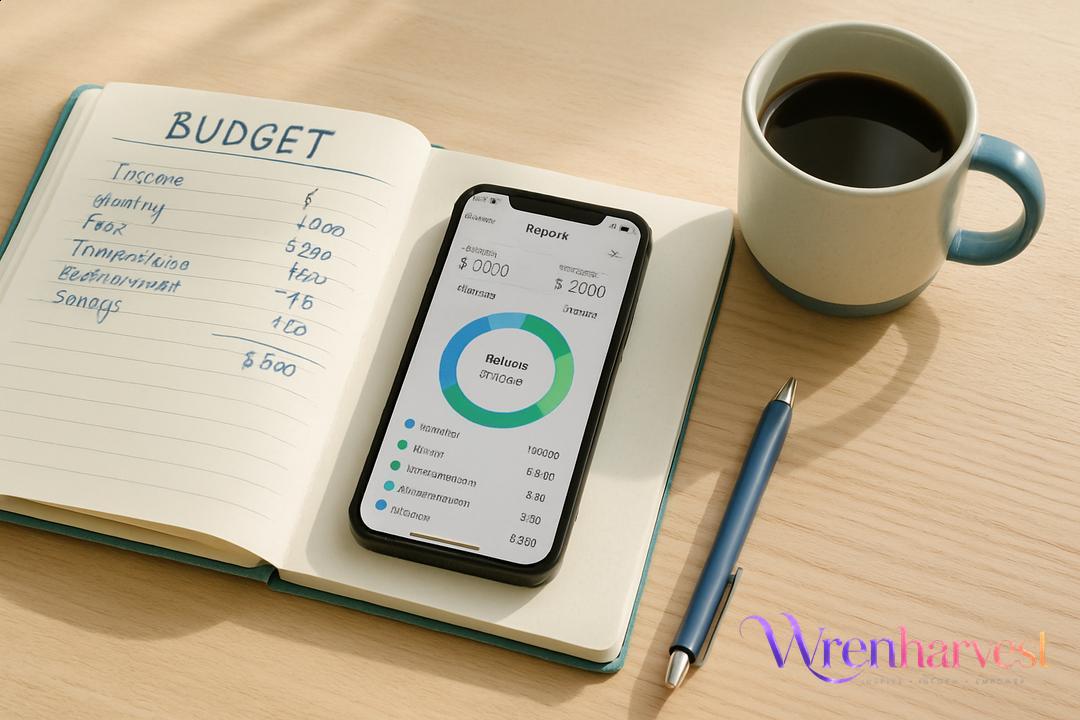
Apps like Mint or YNAB make categorizing easy, but old-school notebooks are free and flexible.
Adapting methods to your lifestyle
Customize to fit your life. Experts say the best plan is the one you’ll keep using, even as things change. “Pay yourself first” fits busy people who want savings to happen automatically.
If you prefer cash, use envelopes. If you love tech, pick an app. The key is to start simple and adjust until your system supports your daily life, not frustrates it.
Tracking and adjusting your budget regularly
You can’t stick to a budget unless you actually check in on it. Tracking and adjusting your plan every week is what keeps surprises under control.
Frequency of check-ins and adjustments
Weekly check-ins and monthly reviews are ideal. Most experts recommend a quick review every week to catch small changes and a deeper look once a month for bigger shifts.
If you notice a category is 60% spent and only half the month is over, make an immediate adjustment. For new budgeters or those with variable income, checking every payday helps keep things on track.
Spotting trouble areas early
Flag trouble spots before they grow. Compare your plan with your actual spending. If a category goes over by more than 10%, it’s a sign to rethink habits or update amounts.
Real-life example: Missed auto-charges or using your dining out budget early signals you need to look closer at those categories.
Building budgeting into your routine
Routine builds success. Pick a weekly “money moment”, like Sunday evenings, to review 5 key areas: new transactions, budget vs actual, bills, savings, and balances.
Don’t overwhelm yourself with too many changes. Write down just one specific adjustment each time. This small step keeps things manageable and helps you grow stronger budgeting habits for the long run.
Building confidence with smarter money habits
Confidence with money grows from small, smart actions, done consistently. Research shows that building better money habits starts with simple wins, not dramatic changes.
For example, transferring just $10 per week into savings or tracking every expense for 30 days often gives people their first real financial lift. Many financial coaches see big changes when clients pay off a lingering bill or automate a small savings transfer. These wins build momentum because you start to see what’s actually possible.
Experts suggest habits like setting a clear savings goal (such as a $500 starter fund), using a 90-second pause before spending to check your emotions, and talking about money with a trusted friend. Celebrating each “skipped spend” or paid-off balance helps your mindset adapt. It’s these regular, achievable steps, not one perfect move, that create lasting confidence.
Bottom line: Your money mindset is something you can reprogram. Confidence comes from tracking, adjusting, and celebrating steady progress. Make change personal, take it slow, and reward yourself each time you build a new, smarter habit.
Key Takeaways
Mastering personal budgeting starts with simple steps to understand your finances and choose methods that fit your life.
- Map income and expenses: Track every source of income and separate expenses into fixed, variable, and discretionary categories for clarity.
- Set SMART goals: Make financial goals specific, measurable, achievable, relevant, and time-bound to boost progress and motivation.
- Prioritize essentials and debt: Cover needs first, then focus on high-interest debt repayment and building an emergency fund before other goals.
- Choose the best-fit method: Select budgeting systems like the 50/30/20 rule, zero-based, or envelope method based on your habits and preferences.
- Review and adjust regularly: Schedule weekly check-ins and monthly reviews to catch problems early and stay on track.
- Leverage small wins: Even transferring $10 a week or skipping an unnecessary purchase helps build confidence and momentum.
- Adapt as life changes: Personalize your budgeting method and make adjustments as income, expenses, or goals shift over time.
- Celebrate steady progress: Recognize each financial milestone—big or small—to reinforce a positive money mindset and lasting habits.
The path to lasting financial control is built on practical habits, honest self-assessment, and celebrating every step forward.